Rohit Sharma’s phone call costs Yashasvi Jaiswal ODI spot; Gautam Gambhir remove – Rohit Sharma’s ODI Future: The Phone Call That Altered India’s Squad Plans
The Changing Landscape of Indian ODI Cricket
The landscape of Indian cricket is undergoing a significant transformation, and a recent report has shed light on the delicate balance between respecting the legacy of legends and preparing for the future. As India prepares to host Afghanistan for a three-match ODI series in Dharamshala, starting June 13, 2026, the selection process behind the squad has become a major talking point. At the heart of this narrative is an eleventh-hour intervention that reportedly altered the team composition.
The Phone Call That Changed the Selection
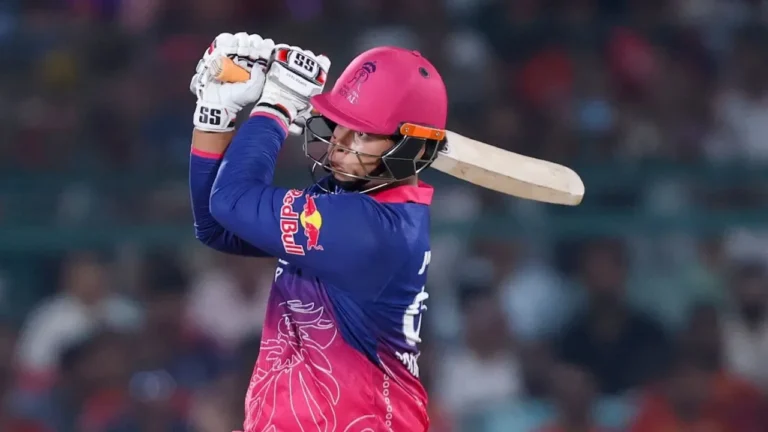
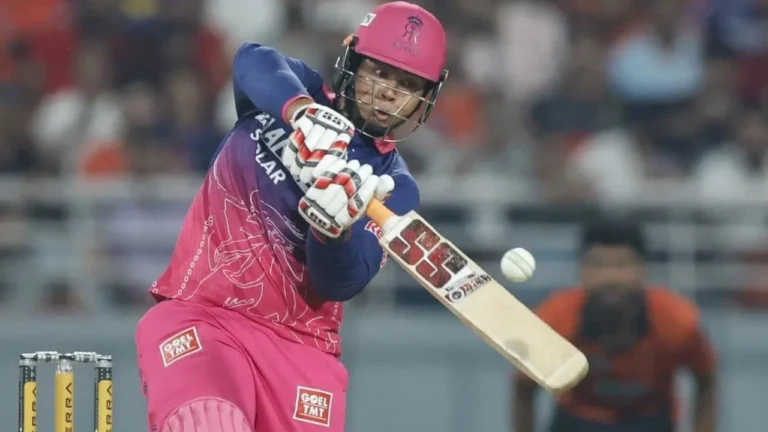
According to recent reports, the final makeup of the Indian squad was not initially set to include veteran opener Rohit Sharma. Sources suggest that Yashasvi Jaiswal, the explosive young talent, was the player expected to feature in the side. This expectation was reinforced by Jaiswal’s absence from the India A squad for the tri-series against Sri Lanka and Afghanistan, signaling that he was viewed as a vital part of the senior setup.
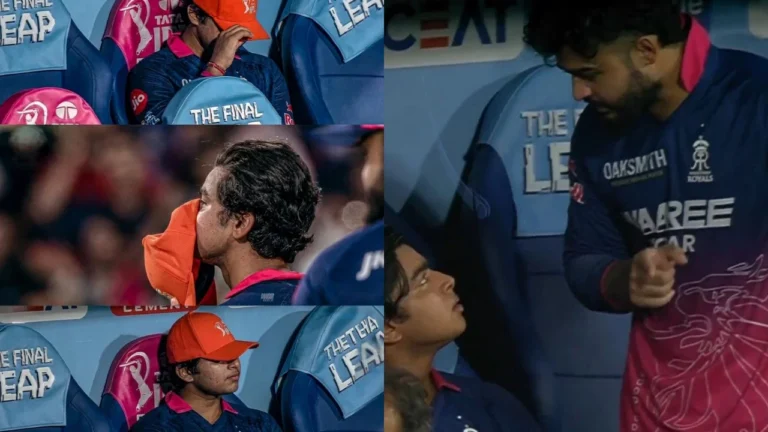
However, the narrative shifted when Rohit Sharma engaged in a direct conversation with BCCI officials, expressing his availability for the Afghanistan series. Despite concerns regarding his fitness following a recurring hamstring injury that limited his participation in the 2026 IPL, the selectors ultimately included the veteran in the squad. This decision, while honoring the experience of the former captain, reportedly came at the direct expense of Jaiswal’s inclusion.
Gautam Gambhir’s Long-Term Vision for 2027
While the immediate future includes Rohit, the long-term strategy being implemented by head coach Gautam Gambhir tells a different story. Gambhir is reportedly focused on a comprehensive overhaul aimed at the 2027 Cricket World Cup. Within this strategic framework, the team management is looking for younger, more durable assets to anchor the top order.
The shift in leadership is already evident, with Shubman Gill having been appointed as the ODI captain, taking over from Rohit. This transition occurred despite the team’s success under Rohit’s leadership, most notably the 2025 Champions Trophy victory. It is clear that the selectors and the coaching staff are prioritizing a new era of leadership and performance standards.
The Road Ahead for a Decorated Veteran
Rohit Sharma’s record in ODI cricket is nothing short of legendary. With 11,577 runs in 282 matches at an average of 48.84, including 33 centuries and a historic high score of 264, his contribution to the sport is beyond reproach. However, form is temporary, and the challenges of international cricket are perpetual. During his last ODI series against New Zealand earlier this year, Rohit struggled to find his rhythm, managing only 61 runs across three innings at an average of 20.33.
The internal debate regarding his place in the team is intensifying. Critics point to the depth of talent emerging in the Indian domestic circuit, arguing that the competition for the opening slot is fiercer than ever. As one source indicated, it will be an incredibly difficult task for the veteran to secure a spot in the 2027 World Cup squad given the abundance of younger, high-performing contenders.
A Fighter’s Mentality
Despite the speculation surrounding his future, it is understood that Rohit Sharma is far from ready to step away. He reportedly conveyed his belief during discussions with board officials that he still possesses the technical skill and mental fortitude to contribute significantly at the highest level. By asserting his availability for the Afghanistan series, he has signaled his intent to fight for his place in the side.
As the series in Dharamshala approaches, all eyes will be on the team selection and performance. Whether this represents a final chapter for a stalwart of the game or a resurgence of form that justifies his selection remains to be seen. What is certain is that the decisions made in these boardrooms today will define the path of Indian cricket for years to come.

Related Articles