ICC Proposes Major Rule Changes: Red and Pink Balls in Same Test
A Historic Transition: Red and Pink Balls in a Single Test
Test cricket has long been defined by its deep-rooted traditions. For over a century, the red cherry has been the ultimate symbol of the game’s longest and most grueling format. However, under the leadership of newly appointed ICC Chair Jay Shah, the International Cricket Council (ICC) is contemplating a historic break from tradition. The global governing body is currently mulling over sweeping changes to playing conditions across red-ball, white-ball, and pink-ball formats. The most radical of these proposals is the potential introduction of both red and pink balls in the exact same Test match.
How the Red-to-Pink Ball Switch Would Function
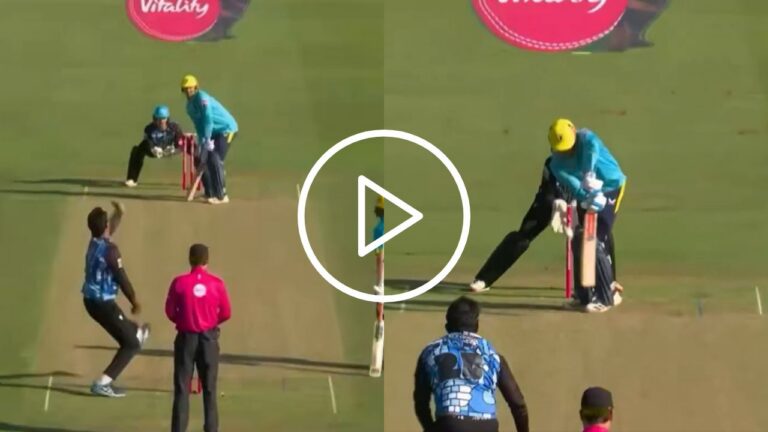
The core of this groundbreaking proposal lies in managing weather and light interruptions, which frequently plague Test matches. According to a report by Cricbuzz, teams may be permitted to switch from the traditional red ball to a pink ball during a match to allow play to continue under stadium floodlights. Currently, poor light often forces players off the field, leading to frustrating delays and drawn matches. Utilizing the highly visible pink ball under lights could save valuable playing time.
The Crucial Clause: Mutual Consent
Implementing such a massive transition is naturally complex. To maintain competitive fairness, the proposed amendment stipulates that a switch to the pink ball requires “mutual consent” from both competing teams. If even one team disagrees or objects, the bowling side cannot use the pink ball, and play will proceed under standard regulations. This ensures that neither side gains an unfair tactical advantage due to the sudden shift in ball behavior, which behaves differently under lights compared to the traditional red ball. The exact playing conditions and transition protocols are still being drafted by the ICC to ensure a smooth implementation.
The ICC’s Multi-Tier Rule Amendment Process
These revolutionary proposals are not decided overnight. The ICC relies on a structured, multi-tier committee process to amend its official Playing Conditions. The journey begins with the Cricket Committee, currently headed by former Indian captain Sourav Ganguly. Composed of ex-cricketers, elite umpires, and experienced coaches, this committee identifies key issues in the modern game and drafts initial proposals.
Once draft proposals are finalized, they are forwarded to the Chief Executives Committee (CEC). The CEC, which comprises the Chief Executive Officers of all Full Member nations, debates the feasibility, fairness, and commercial and global impact of the proposed changes before voting on them. This committee recently discussed these changes during a virtual meeting. The final step in the process requires the recommendations to be presented to the ICC Board of Directors for final ratification. The definitive sign-off is expected to take place during the upcoming ICC Board meeting in Ahmedabad.
Strategic Shifts: Head Coaches on the Field in ODIs
In addition to the landmark ball-switching proposal, the ICC is also looking to redefine the role of coaching staff during active matches. The proposed amendments suggest allowing head coaches to physically enter the field of play during scheduled drinks breaks in One-Day Internationals (ODIs). Under existing rules, only substitute players are permitted to run onto the field to deliver drinks, equipment, and tactical messages.
This proposed change would allow head coaches to directly communicate strategies, assess the pitch, and regroup with players mid-innings, bringing a dynamic similar to strategic timeouts in franchise T20 leagues. In ODI cricket, two drinks breaks are scheduled per innings, occurring exactly one hour and 10 minutes apart. While the proposal is gaining traction, it remains unclear whether coaches will be required to wear official team jerseys when stepping onto the field.
Speeding Up the Game: Shorter T20I Innings Breaks
The final major proposal targets the shortest format of the international game. In an effort to maintain high-octane momentum and optimize broadcasting schedules, the ICC wants to reduce the innings break in T20 Internationals (T20Is) to just 15 minutes. The current playing conditions mandate a 20-minute interval between innings. By shaving off five minutes, the ICC aims to get teams back on the field and regrouped quicker, ensuring fans enjoy a faster, more continuous viewing experience. If ratified, these playing conditions are expected to be rolled out at the start of upcoming bilateral series or major global tournaments.

Related Articles